


It is with great delight that I’m announcing the utter disastrous failure of my latest attempted book The Cerebral Citadel. I’ll leave the individual posts up but the project is now discontinued. So why so happy and why the article announcing it? The answer to those questions lies in the value of learning when to say No - even to yourself - well more importantly the misaligned and misguided aspects of self, which I will come to.
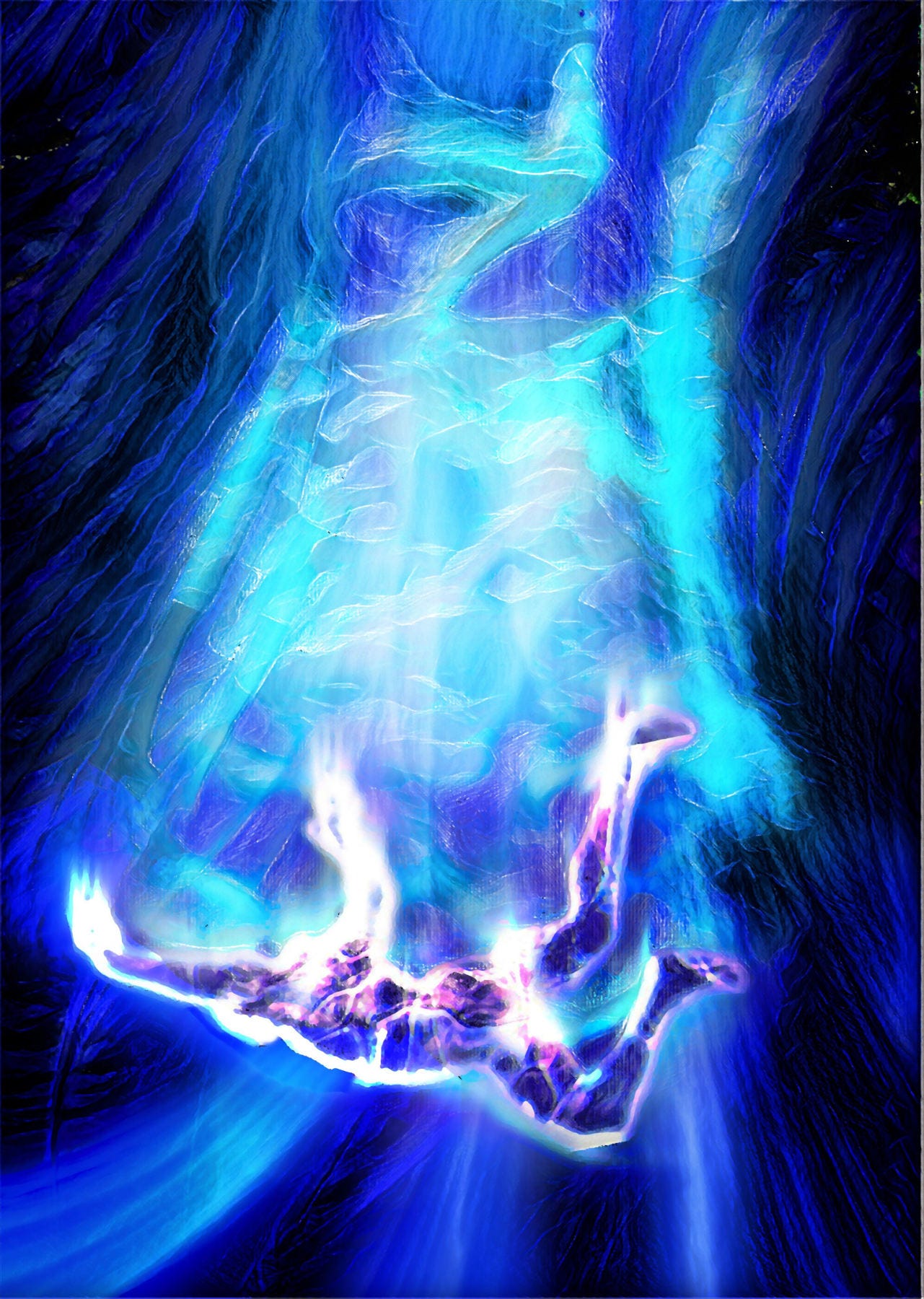
(Artwork entitled Ecstatic Abandonment)
A brief aside into a recent Substack debacle that made this post even more urgent to me. I’m sure you’re aware of the recent viral piece about how most Substack writers are mere bloggers and too subjective and inward looking to craft a story. I’m going to follow Linda Caroll’s example and refuse to name it, although I do recommend her excellent criticism of it here:

First point here is everyone is of course different in their approaches to writing and the measure of yourself that you put into it is a matter for well - yourself. There are numerous examples of excellent authors throughout history who put all, none, or some of their personal philosophies and experience into their writing. There is no objectively right or wrong answer - there is however, what is wrong for you.
Balance is Not Weighting
My first mistake was an attempt to force objectivity or balance into the writing. I’ve written so much about the effect and experience of projective imagination (in its more fantastical sense anyway) that I felt I needed to somehow argue against it. The main thrust of the book was about not getting “carried away” and the dangers of the “wandering mind”. So I planned a whole scenario where the protagonist losing focus on his life would enter the imaginative world and confront the various characters and put them in their place.. (an inversion of the Neverending story - side note please read the book, it has a depth the film barely touches). Ultimately this goes against every instinct that I have as a writer. I will grant that the need to be focused and present is vital especially in the modern age, but I believe that working with the imagination - strengthening it and refining it is the best way to develop such skills and discipline. Of course there is a debate to be had there, but the point is that I was going against all my instincts to somehow widen my work or to make it less niche.
Such market and academic forces are nothing new - but you don’t need me to tell you how accelerated they are in this era of trending topics, “Post this..” guides, and those only too willing to tell you what you are doing wrong. Now of course I’m not saying you should reject all advice, there’s a lot of helpful and knowledgeable people in the substack sphere. Ultimately though you must ask yourself - is this person out to guide and help me or belittle and control me? I’ve written an article about helpful and manipulating online presences here: https://www.graememcallister.com/p/no-youre-not-broken-neither-is-substack. That said, even when advice is truthful and kindly delivered, it doesn’t mean it’s necessarily right for you. Ultimately with this book I found that it was just straying too far from my mission - I’ve written a bit more about reconciling with your voice here: https://www.graememcallister.com/p/your-heartbeat-is-the-algorithm
Sunk Cost Fallacy
Yes that old cliche of personal development posts and linkedIn efficiency blogs but it has an artistic and maybe even spiritual truth. I’m all for sticking it out through tough and challenging projects but that only works when you can see and fully understand both the foundation and the finish line. Why did you need to start this project in the first place? Was it something about the world or yourself you desperately needed to change or at least understand? Was it just time to do something or anxiety about a creative dry spell? I’m not saying those moments of forcing yourself out of a rut or running with a concept out of sheer curiosity don’t have immense value - they often do. However, if it’s intended to or naturally becomes a bigger project then it can be very worthwhile to stop and consider those questions. The same applies to the end point - how do you think this creative project will make you grow? Can you see yourself standing in front of a piece that has expanded your understanding of yourself or the world or perhaps helps others to grow?
You may have powerful and immediate visions or even just a feeling or impression, but if something doesn’t spark then maybe this one isn’t right. Only you can make these decisions. The post is not your portfolio, nor is the book your career. Of course the reverse of this is abundantly true. The writing you believe in needs no validation from me or anyone else, in the grand scheme of things if what you’re doing speaks to you, it will speak to someone else. Is this a guarantee of 500 hundred new subscribers, a “viral” article, or academic recognition? No. I can’t promise things I don’t have (although that seems to be the secret to going viral). Acting as your own “gatekeeper” has many benefits that I’m not sure conventional “success” alone can equal. And let’s start there - owning your own path gives you your own unique and powerful definition of success - one that will survive algorithmic shifts, trends, and even Substack. You’ll have a lot more fun and make real friends along the way, not just connections. You will also grow in ways that you may not even be able to think of right now, but that you know at some deep level.
May our paths cross again.
Graeme
Previous Articles
No! You're not broken. Neither is Substack

I’m taking a break from “McAllister’s Mates” this week (my round up of reviews of the brilliant works on Substack) as I have a pressing issue to tackle.
